Physical Address
304 North Cardinal St.
Dorchester Center, MA 02124
Physical Address
304 North Cardinal St.
Dorchester Center, MA 02124

Starting a website in 2024 is more accessible than ever, yet the competition has never been fiercer. Whether you are launching a personal blog, a professional portfolio, or a complex e-commerce platform, the foundational steps you take today will determine your visibility and success tomorrow. This ultimate guide breaks down the technical and creative process into manageable segments, focusing on the latest industry standards such as mobile-first indexing and high-performance hosting. We will navigate through the complexities of domain acquisition, technology stacks, user experience design, and organic search optimization to ensure your digital presence is not just functional, but highly competitive. By the end of this guide, you will have a clear roadmap to transform a simple idea into a high-performing website that resonates with your target audience.
Defining your purpose and securing a digital identity
Before touching a single line of code or choosing a template, you must define the primary objective of your site. In the current digital landscape, a website without a clear niche struggles to gain traction. Are you building a site to sell products, share expertise, or collect leads? Once the purpose is clear, your first technical step is securing a domain name. This is your digital address and a critical part of your branding. In 2024, .com remains the gold standard, but newer extensions like .ai or .io are becoming increasingly popular for specific industries. When choosing a name, keep it short, memorable, and free of numbers or hyphens which can confuse users. Once you have a name, verify its availability across social media platforms to ensure brand consistency.
Choosing the right infrastructure and hosting
The foundation of your website rests on your hosting provider and the content management system you choose. For most users, WordPress remains the top choice due to its massive ecosystem and flexibility. However, the hosting environment you select will directly impact your site speed and reliability. Speed is no longer a luxury; it is a direct ranking factor for search engines. You should look for hosts that provide LiteSpeed servers, integrated caching, and free SSL certificates. The type of hosting you select depends on your expected traffic and technical comfort level. Below is a comparison of common hosting types to help you decide which fits your project needs better.
| Hosting type | Best for | Performance level |
|---|---|---|
| Shared hosting | Small blogs and personal sites | Standard |
| Cloud hosting | Scaling businesses and high traffic | High |
| VPS hosting | Developers needing custom environments | Very High |
| Managed WordPress | Users prioritizing security and updates | Optimized |
Designing for user experience and mobile responsiveness
Once your infrastructure is in place, the focus shifts to design. Modern web design is driven by the mobile-first philosophy, as the majority of web traffic now originates from smartphones. A website must look and function perfectly on a 6-inch screen before it is even considered for a desktop monitor. This involves using responsive layouts, readable font sizes, and touch-friendly navigation. Beyond aesthetics, you must prioritize user experience or UX. This means ensuring that your site structure is logical and that users can find the information they need in three clicks or less. Visual elements should be optimized using modern formats like WebP to keep load times low, ensuring your site meets the Core Web Vitals standards set by search engines.
Implementing a content and search engine strategy
A beautiful website is useless if no one can find it. This is where search engine optimization and content strategy become vital. You should start by performing keyword research to understand what your potential visitors are searching for. Every page on your site should target a specific intent and provide genuine value. In 2024, search engines prioritize Experience, Expertise, Authoritativeness, and Trustworthiness, often referred to as E-E-A-T. This means your content must be well-researched and clearly attributed to credible authors. Furthermore, your technical SEO must be flawless. This includes creating a sitemap, optimizing your meta titles and descriptions, and ensuring your internal linking structure helps robots crawl your site effectively. Consistency is key, so aim to publish high-quality content regularly to build authority in your niche.
Building a successful website from scratch is a multifaceted journey that requires a blend of technical precision and creative vision. As we have explored, the process begins with a strong brand identity and a reliable hosting foundation, followed by a user-centric design that prioritizes mobile accessibility. Integrating a robust search engine optimization strategy from the very beginning ensures that your hard work translates into organic traffic and long-term growth. Remember that a website is never truly finished; it is a living entity that requires regular updates, security patches, and content refreshes to remain relevant. By following these structured steps, you have laid the groundwork for a digital platform that is capable of evolving alongside the ever-changing demands of the internet in 2024 and beyond.
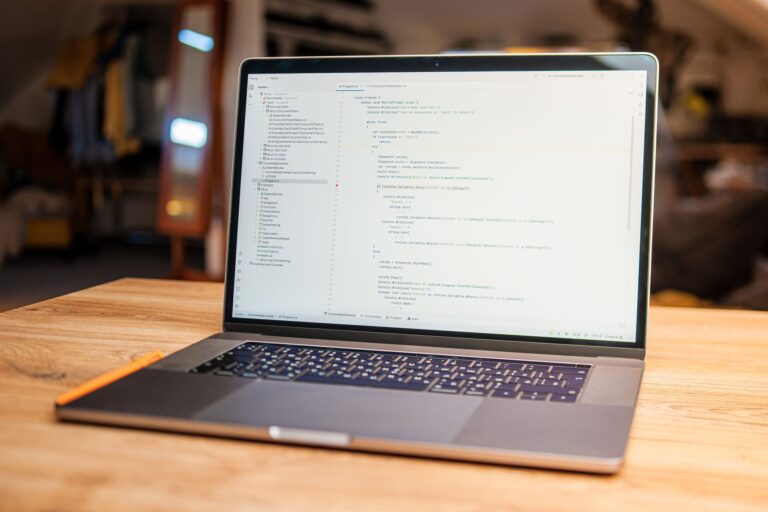
Image by: Djordje Petrovic
https://www.pexels.com/@djordje-petrovic-590080